
Small Shops, Big Gains with Plug-and-Play Tools
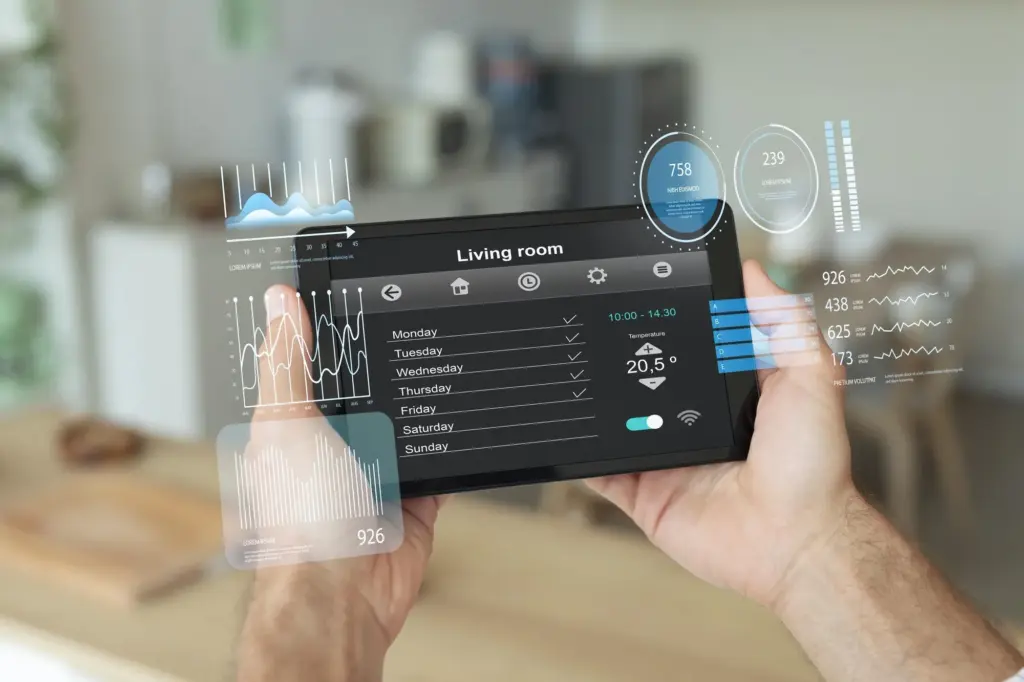
We’re diving into plug-and-play efficiency tools for small manufacturers, spotlighting quick-to-deploy devices, dashboards, and workflows that snap into place with minimal IT burden. Expect practical examples, simple checklists, and honest lessons from shop floors where busy teams need wins this week, not next quarter. Join the conversation by sharing your fastest deployment stories, ask questions in the comments, and subscribe for field-tested checklists you can try during the next shift change.

Zero-Configuration Devices That Speak Your Machines’ Language

Adapters and sensors arrive preloaded with sane defaults, handle MTConnect or simple digital I/O, and expose data points as plain names your crew understands. Instead of wrestling drivers, you clip, power, join Wi‑Fi, and verify signals on a tablet, then move on to the next station without drama.

Five-Minute Dashboards Your Supervisors Actually Use

Prebuilt tiles for runtime, stops, counts, and changeovers let supervisors answer tough questions with a glance. Drag-and-drop layouts, daylight-readable colors, and device-agnostic access mean shift huddles run faster, decisions land sooner, and everyone shares a single source of truth without chasing spreadsheets across emails.

Connecting Legacy Equipment Without Pain

Most small factories run a patchwork of vintages and brands. The right plug-in gateways respect that reality, bridging serial, ethernet, and sensors into clean tags. You keep existing controls intact, avoid warranty worries, and gain visibility that doesn’t require rewiring panels or pausing revenue-generating spindles unnecessarily.

Clip-On Sensors for Motors, Vibration, and Temperature

Self-powered or long-life battery sensors attach with magnets or adhesive, then broadcast health signals without opening cabinets. Maintenance sees trend lines form quickly, linking heat spikes or abnormal vibration with load, tool wear, or misalignment, turning gut feelings into timely work orders that prevent schedule-busting breakdowns.

Gateway Options: From Rugged Edge Boxes to Tiny Sticks

Harsh-duty enclosures sit near coolant and chips, while compact USB sticks ride safely inside panels. Either way, setup wizards map signals, buffer data during outages, and sync securely once the network returns, so your production timeline never holds its breath over a flaky connection again.

Data Hygiene: Naming Conventions That Scale Without Drama

Consistent tags let reports, alerts, and training materials align. Use machine-cell prefixes, standard state names, and friendly labels operators recognize. When a shift changes, clarity stays put, enabling clean handoffs, accurate problem-solving, and easier onboarding that respects how people actually talk about the work every day.

From Laminated Sheets to Interactive Steps with Photos

Digital workflows replace smudged binders with crisp images, check boxes, and conditional prompts that only appear when needed. Operators tap to acknowledge checkpoints, scan a QR to load variants, and record exceptions with a photo, creating traceability that supports customer confidence and smoother internal problem-solving during audits.

Changeovers That Don’t Hijack the Shift

Color-coded fixtures, visual aids, and short digital cues guide setup in sensible order, nudging best practices at the moment of action. Supervisors see progress in real time, help where bottlenecks appear, and capture timing automatically, shrinking unknowns that usually derail promised ship dates and overtime budgets dramatically.

Quality Hooks: Stop-N-Notify at Critical Steps

Built-in pauses at risk points prompt double checks, barcode scans, or torque confirmations. If something’s off, alerts route to the right person immediately with context, photos, and part details, so containment starts early and rework stays small, protecting customer trust and margin without slowing good flow.

Maintenance That Prevents Surprises

Reacting at midnight is expensive. Condition monitoring and simple cadence reminders help crews act before noise, heat, or vibration become downtime. Lightweight tools capture root causes, and spare-part visibility stops last-minute scrambles, keeping schedules realistic and the shop’s reputation for reliability exactly where customers expect it to be.

Vibration Trends That Tell a Story Before Bearings Complain

Small sensors watch signature patterns evolve day by day, flagging anomalies that hint at imbalance, looseness, or early bearing fatigue. Coupled with workload context and lubrication logs, the alerts become smart nudges, turning speculative maintenance into confident scheduling that honors promised deliveries while protecting critical equipment investments.

Downtime Reasons Captured in Two Taps, Not Two Minutes

Operators choose clear reasons from short, relevant lists that reflect real life on your floor. The result is usable data, not essays, enabling trend analysis that exposes chronic changeover hiccups, material shortages, or training gaps, which you can tackle with focused experiments and transparent follow-up conversations.

Parts, Tools, and Schedules Aligned Without Chasing Binders

Mobile views show what job is next, what tools are required, and where parts live, reducing scavenger hunts that waste energy and sap morale. Coordinated calendars and low-friction notifications align support teams, preventing domino delays that start small and end loud by late afternoon.

People-Centered Adoption and Training

Tools succeed when people feel respected, heard, and helped. Short pilots in a friendly cell build confidence, surface rough edges, and shape better defaults. Clear purpose statements and honest feedback loops create ownership, so operators champion improvements, supervisors coach consistently, and managers resist vanity metrics in favor of real progress.

Measuring Impact and Proving Value

Clarity beats volume. Rather than drowning in dozens of charts, choose a few measures that reflect customer promises and daily realities—throughput, first-pass yield, and schedule adherence. Display them openly, review weekly, and connect each change to results, so investment stories stay credible, motivating, and grounded in shared evidence.

Pick Three Metrics and Make Them Visible

Select indicators people influence today. Put them on a screen at eye level, share to phones for traveling leaders, and snapshot progress at the same time each shift. Consistent visibility teaches cause and effect, turning small experiments into dependable habits that improve delivery, quality, and morale together.

Before/After Photos, Not Just Charts

Numbers persuade finance, but pictures persuade humans. Capture workstation changes, label updates, or lighting improvements alongside trend lines. When people see clutter disappear and motion shrink, belief grows, making it easier to request another sensor, adjust a checklist, or retire a workaround everyone inherited years ago.

From Quick Wins to a Year-Long Roadmap

Start tiny, record outcomes, and string wins together into quarterly goals that match capacity. Plan one upgrade per month, wrap training into shift meetings, and freeze changes near peak demand. This cadence protects production while compounding benefits, so confidence rises alongside capability without straining budgets or patience.
Kavidexofaritelitaripalo
Privacy Overview

This website uses cookies so that we can provide you with the best user experience possible. Cookie information is stored in your browser and performs functions such as recognising you when you return to our website and helping our team to understand which sections of the website you find most interesting and useful.